Financial Abuse: What It Looks Like and How to Break Free
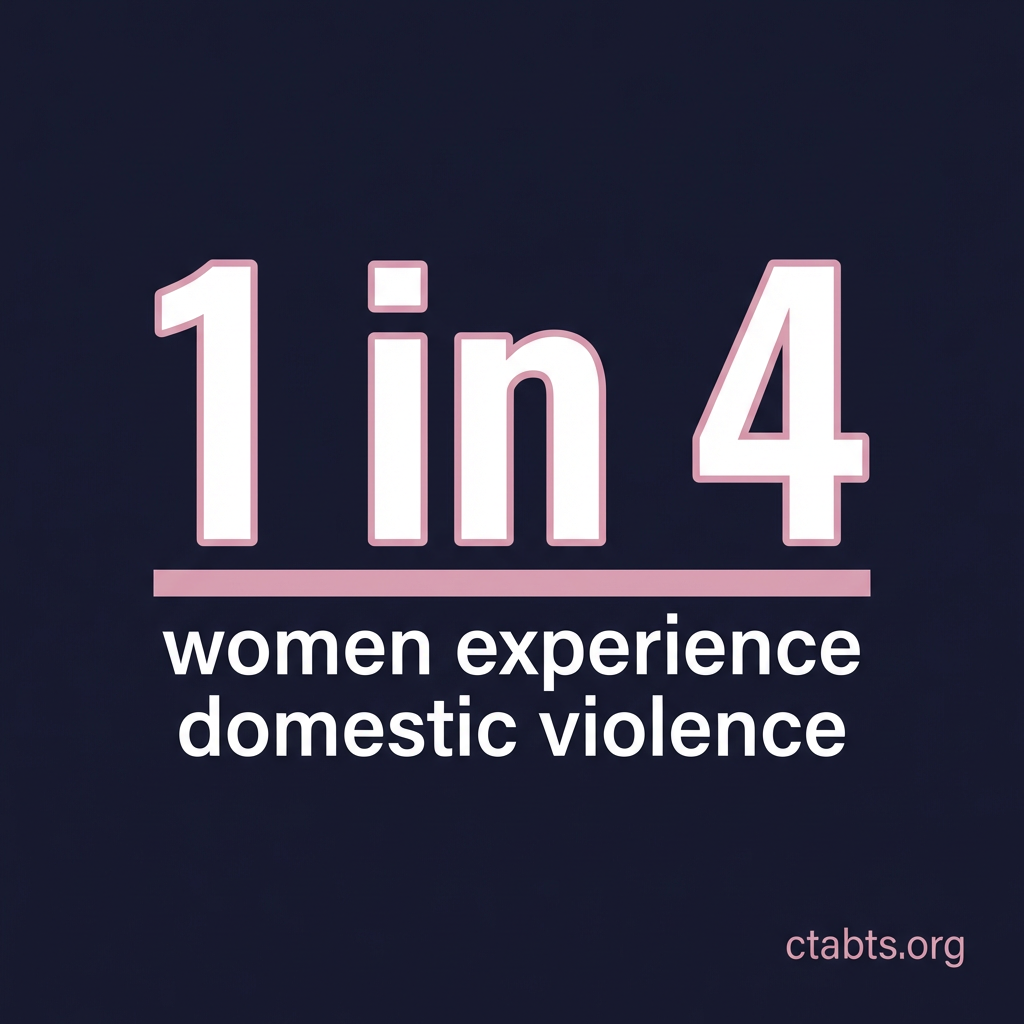
98% of abusive relationships involve financial abuse. Learn to identify it, understand why it keeps survivors trapped, and find a path to independence.
Financial abuse is one of the least talked about but most effective forms of control in abusive relationships. It happens when one partner controls the other's access to money, employment, or financial information.
It is present in 98% of abusive relationships and is the number one reason survivors stay in or return to dangerous situations. Without money, leaving feels impossible.
Common Forms of Financial Abuse
Controlling all bank accounts and credit cards. Giving an "allowance" and demanding receipts for every purchase. Preventing you from working or sabotaging your job (calling your employer, hiding your car keys, creating conflicts before interviews).
Running up debt in your name without your knowledge. Hiding assets or income. Refusing to contribute to household expenses while spending freely on themselves.
Threatening to cut off financial support if you leave. Using children's needs as leverage ("If you leave, I will stop paying for their school").
Why It Works
Financial abuse creates dependency. If you do not have your own money, your own credit, or your own income, leaving feels like stepping into a void. Where would you go? How would you eat? How would you take care of your children?
These are not unreasonable fears. They are real barriers. And abusers know it.
Steps Toward Financial Independence
Check your credit report for free at AnnualCreditReport.com. Know what debts exist in your name.
Open a bank account in your name only, at a different bank than your partner uses. Even small deposits add up.
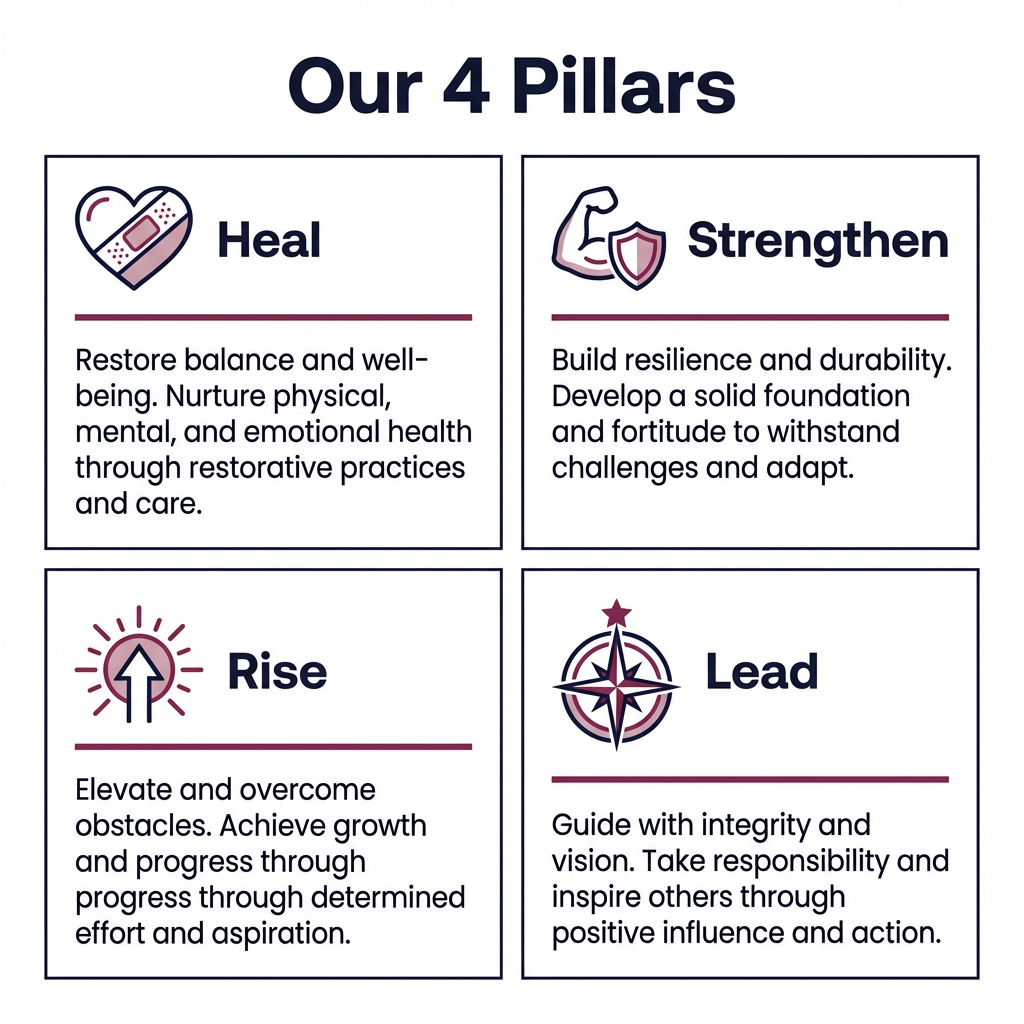
Connect with programs like CTA's Strengthen pillar, which provides financial literacy training, career coaching, resume help, and a $1,000 savings-match micro-grant.
If you are not ready to leave yet, start gathering information quietly. Knowledge is the first step toward independence.
Need Support?
If you or someone you know is experiencing abuse, help is available. Free, confidential, 24/7.