Recognizing the Signs of Domestic Violence
Abuse is not always physical. Learn to identify the warning signs of emotional, financial, and psychological abuse.
When most people think of domestic violence, they picture physical injuries. But abuse takes many forms, and the ones you cannot see are often the most damaging.
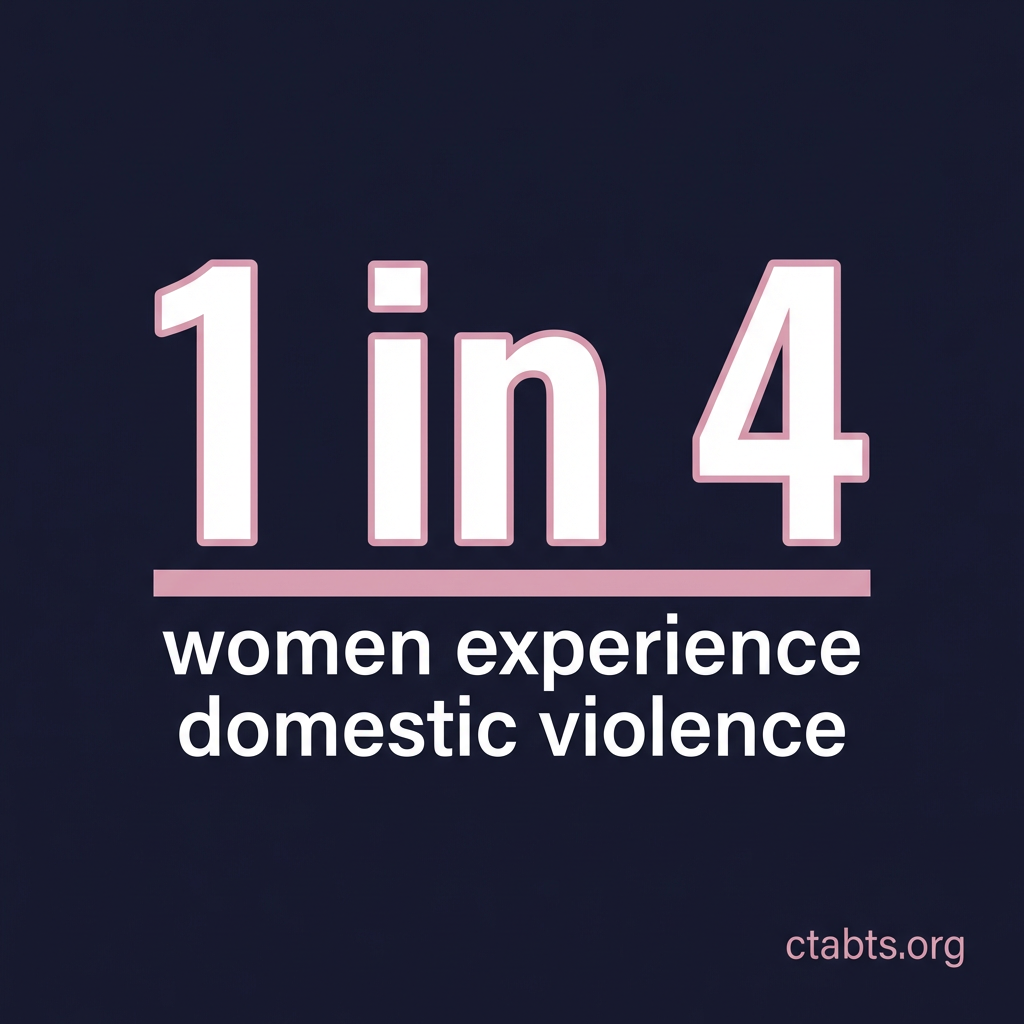
1 in 4 women will experience domestic violence in their lifetime. Many of them will not recognize it as abuse because it does not look the way they expected.
Emotional and Psychological Abuse
This includes constant criticism, name-calling, isolation from friends and family, gaslighting (making you question your own reality), and threats. An abuser may never raise a hand but can still destroy a person's sense of self-worth.
Common signs: You feel like you are walking on eggshells. You have stopped seeing friends or family. You doubt your own memory. You feel like everything is your fault.
Financial Abuse
Financial abuse is present in 98% of abusive relationships. It includes controlling access to bank accounts, preventing a partner from working, hiding financial information, running up debt in your name, or giving you an "allowance."
This form of abuse is one of the top reasons survivors stay in or return to dangerous situations. Without money, leaving feels impossible.
Digital Abuse
Monitoring your phone, demanding passwords, tracking your location, sending threatening texts, or posting private photos without consent. Technology has given abusers new tools to control and intimidate.
If you suspect someone is monitoring your devices, use a safe computer (like one at a library) to research resources.
What to Do If You Recognize These Signs
Trust your instincts. If something feels wrong, it probably is. You do not need to have bruises to deserve help.
National Domestic Violence Hotline: 1-800-799-7233 (24/7, free, confidential). RAINN: 1-800-656-4673. Or visit ctabts.org to learn about the CTA program.
Need Support?
If you or someone you know is experiencing abuse, help is available. Free, confidential, 24/7.