Self-Care After Trauma: Small Steps That Matter
Self-care is not bubble baths and candles. For survivors, it is learning to feel safe in your own body again. Here are practical strategies that actually help.
The internet is full of self-care advice: take a bath, light a candle, do a face mask. And while those things can feel nice, real self-care after trauma looks different.
It looks like getting out of bed when your body feels like lead. It looks like eating a meal when you have no appetite. It looks like calling a friend when isolation feels safer. It is less about luxury and more about basic survival and rebuilding.
Start With Your Body
Trauma lives in the body. You may experience chronic tension, stomach problems, headaches, insomnia, or a constant feeling of being "on edge." These are normal trauma responses.
Grounding techniques can help: Name 5 things you can see, 4 you can touch, 3 you can hear, 2 you can smell, 1 you can taste. This pulls your nervous system back to the present moment.
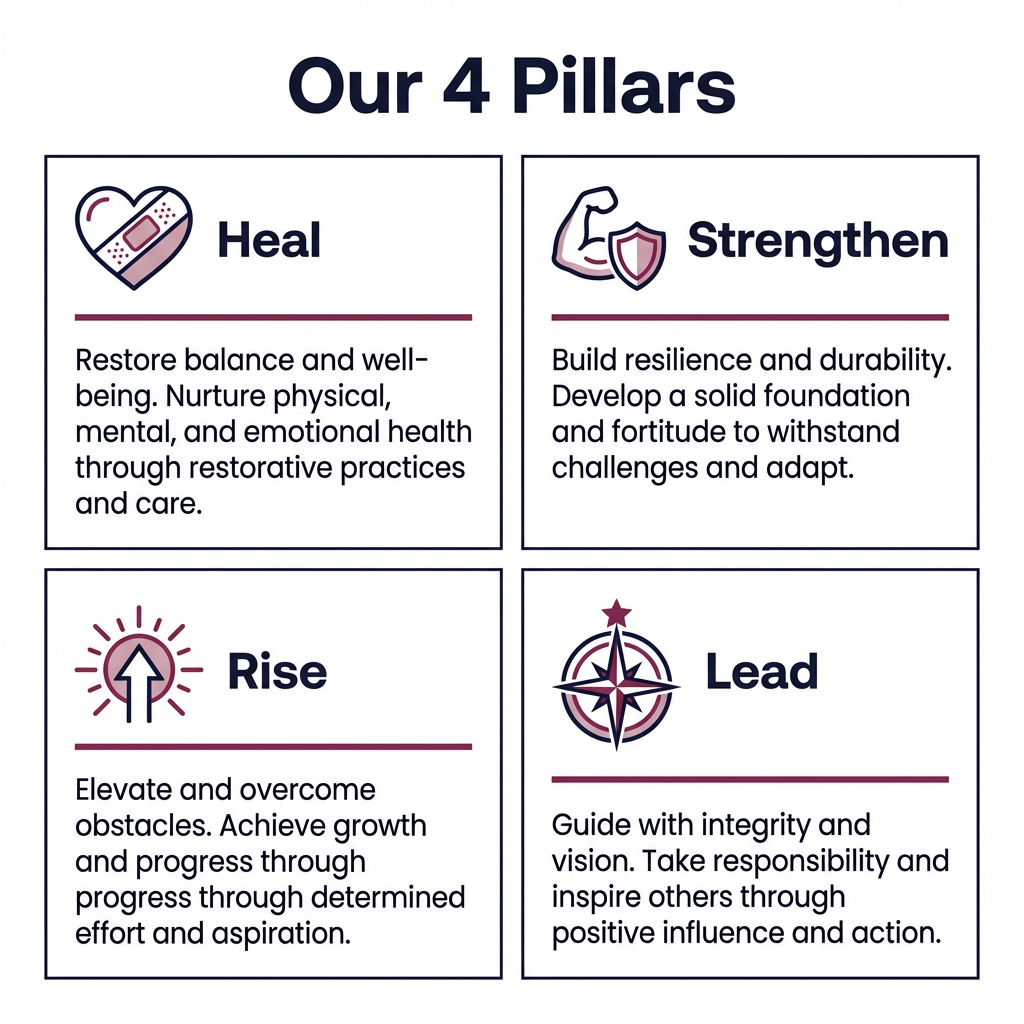
Gentle movement helps too. You do not need an intense workout. A 10-minute walk, stretching, or trauma-sensitive yoga (like what CTA offers in the Heal pillar) can release stored tension.
Protect Your Sleep
Nightmares and insomnia are extremely common after trauma. Create a simple bedtime routine: same time every night, no screens for 30 minutes before bed, a cool and dark room.
If nightmares are severe, talk to a therapist about Image Rehearsal Therapy (IRT), a technique specifically designed for trauma-related nightmares. It works.
Set Boundaries
Saying "no" is self-care. You do not owe anyone your time, energy, or story. If a conversation, relationship, or environment does not feel safe, you have permission to leave.
Practice small boundaries first. It gets easier. And it rebuilds the sense of control that abuse takes away.
Ask for Help
The biggest act of self-care is admitting you cannot do this alone. Therapy, support groups, and programs like CTA exist because healing is not a solo sport.
If you are not ready for a program, start with a hotline. National DV Hotline: 1-800-799-7233. RAINN: 1-800-656-4673. Both are free, confidential, and available 24/7.
Need Support?
If you or someone you know is experiencing abuse, help is available. Free, confidential, 24/7.